About Pumwani Maternity & Referral Hospital
The identity, history and leadership of Kenya’s Level 5 referral maternity hospital — a century of service to mothers and newborns.
A century of maternal and newborn care
Pumwani Maternity & Referral Hospital is a Level 5 referral hospital located in the eastern part of Nairobi City. It is an obstetric and referral hospital for expectant mothers in Nairobi and the adjoining districts, where all mothers receive comprehensive, essential maternity care — maternity, newborn and childcare services, around the clock.
The facility was founded in 1926 by a charitable organisation, the Lady Grigg Welfare League, which was concerned about the lack of a maternity ward for African women in Nairobi. With the support of the East African Women’s League, Lady Grigg formed the Lady Grigg Child Welfare and Maternity League, and a donation of Shs 17,000 started construction. By 1928 it opened as Lady Grigg Maternity Home — later renamed Pumwani Maternity Hospital, and today Pumwani Maternity & Referral Hospital.
The League ran the facility until 1944, when it was handed to the then Municipal Council of Nairobi, and the Council held it until 2013, when devolution brought the hospital under the County Government of Nairobi. Since 2014 it has run as a County Referral Maternity and Newborn Hospital for the Mathari, Eastleigh, Pumwani and Pangani communities and for referrals from the rest of the county and beyond.
We provide maternity, newborn and childcare services with 354 obstetric beds, 144 baby cots and two operating theatres. Diagnostic services, immunisation, family planning, cervical screening, rehabilitation and comprehensive HIV care support our referral role.
Our Vision
To be an autonomous, efficient maternity hospital where all mothers receive comprehensive essential maternity care.
Our Mission
To provide leadership in maternity services, training and development of clinical and nursing services.
Our Motto
Uzazi Salama, Taifa Imara — safe motherhood, a strong nation.
At a glance
The five values every team works by
They shape how we treat patients, how we treat one another, and how we account for public resources.
A century of safe motherhood
From a 27-bed maternity home to a Level 5 referral hospital, Pumwani’s story spans community service, expanding clinical care and investment in the people and facilities that support mothers and newborns.
The foundation
The Lady Grigg Welfare League founded Pumwani, supported by the East African Women’s League and an initial Shs 17,000 donation.
The maternity home opens
The Lady Grigg Maternity Home opened with 27 beds, establishing the maternity service from which today’s hospital developed.
Our community’s early history
Our history is rooted in Nairobi’s maternal and child-health services and the wider Pumwani community. These 1942 archive photographs show Nairobi child-welfare clinics and Pumwani’s social hall.
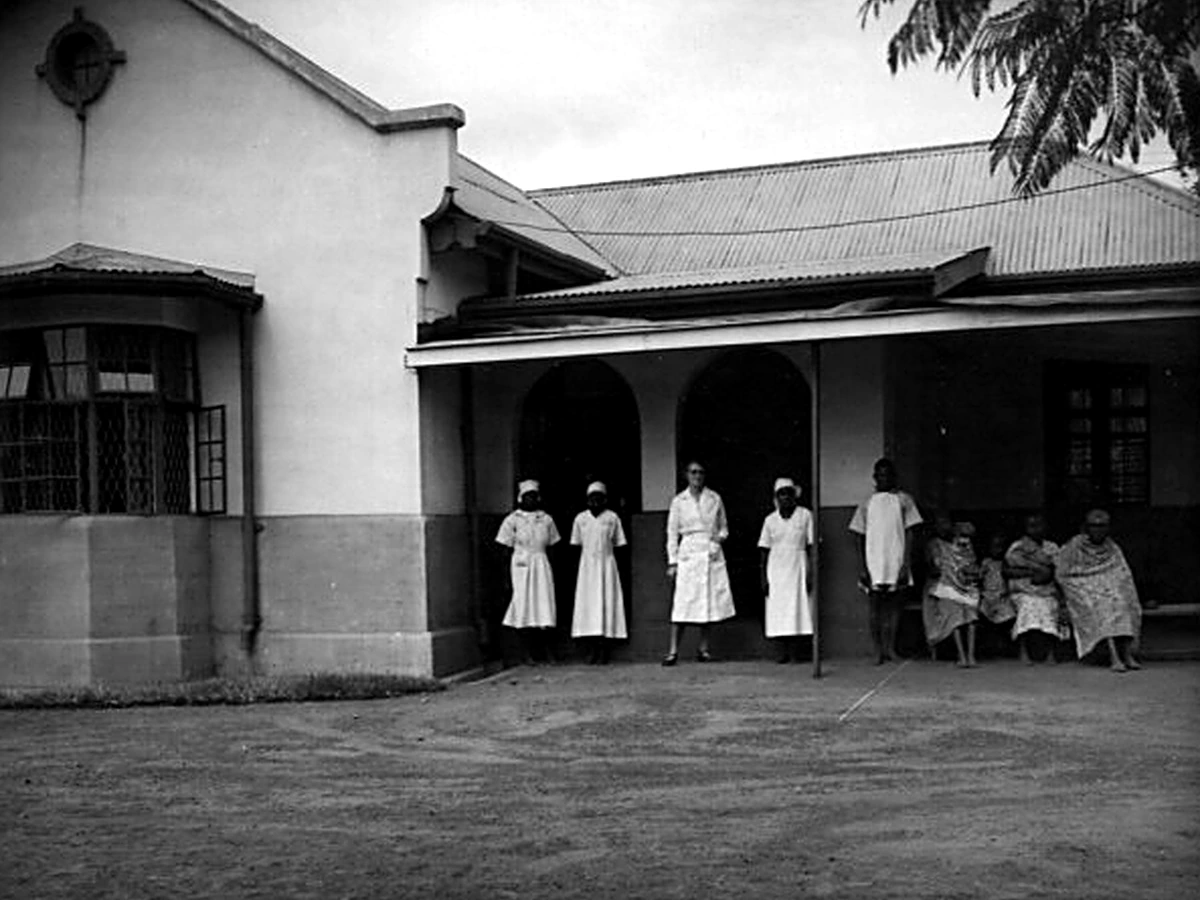
Clinic staffStaff outside a Nairobi child-welfare clinic. 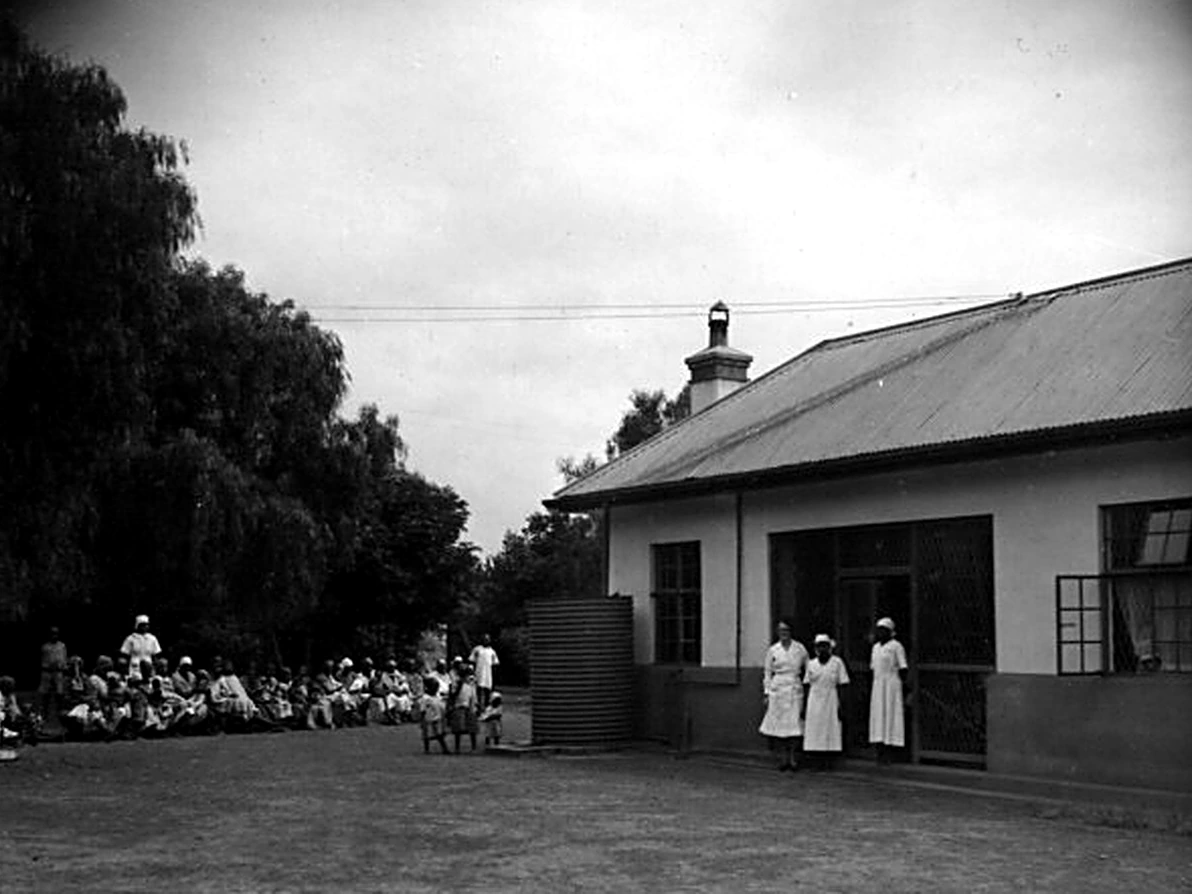
Mothers and childrenFamilies attending a Nairobi child-welfare clinic. 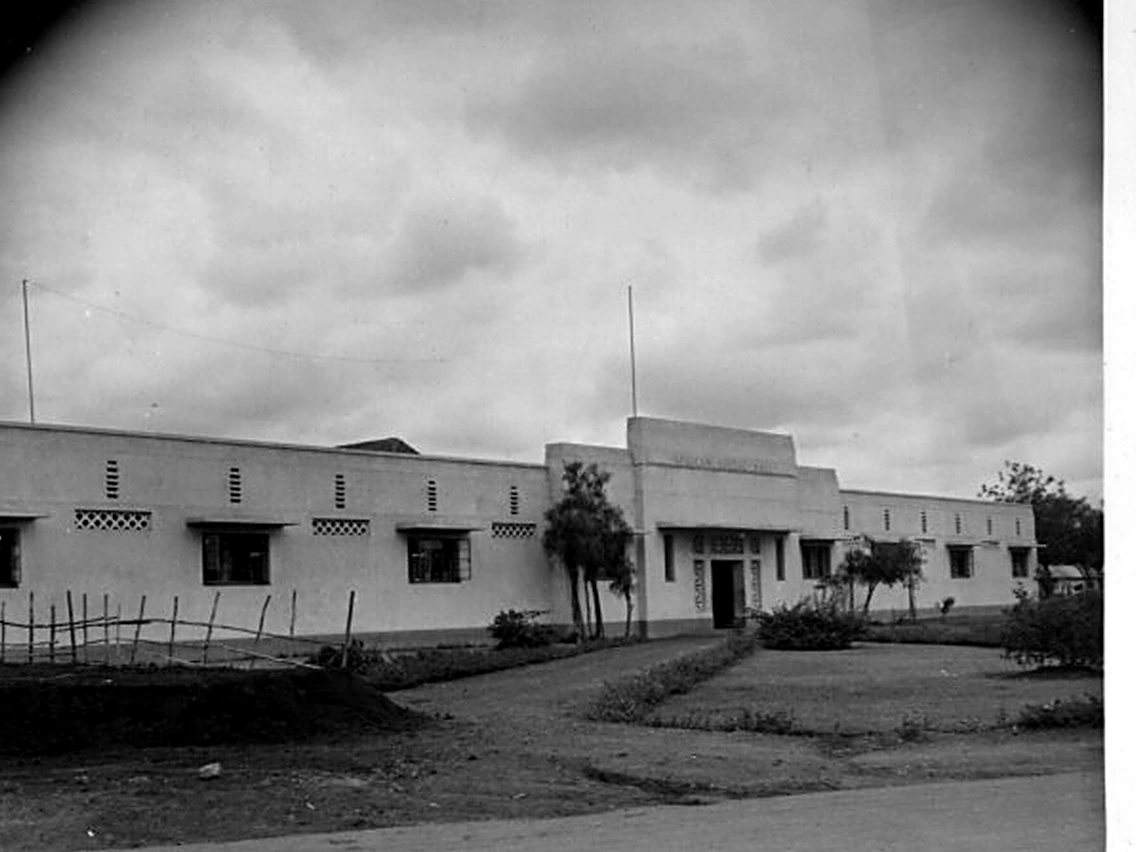
Pumwani social hallThe African Social Hall in Pumwani. 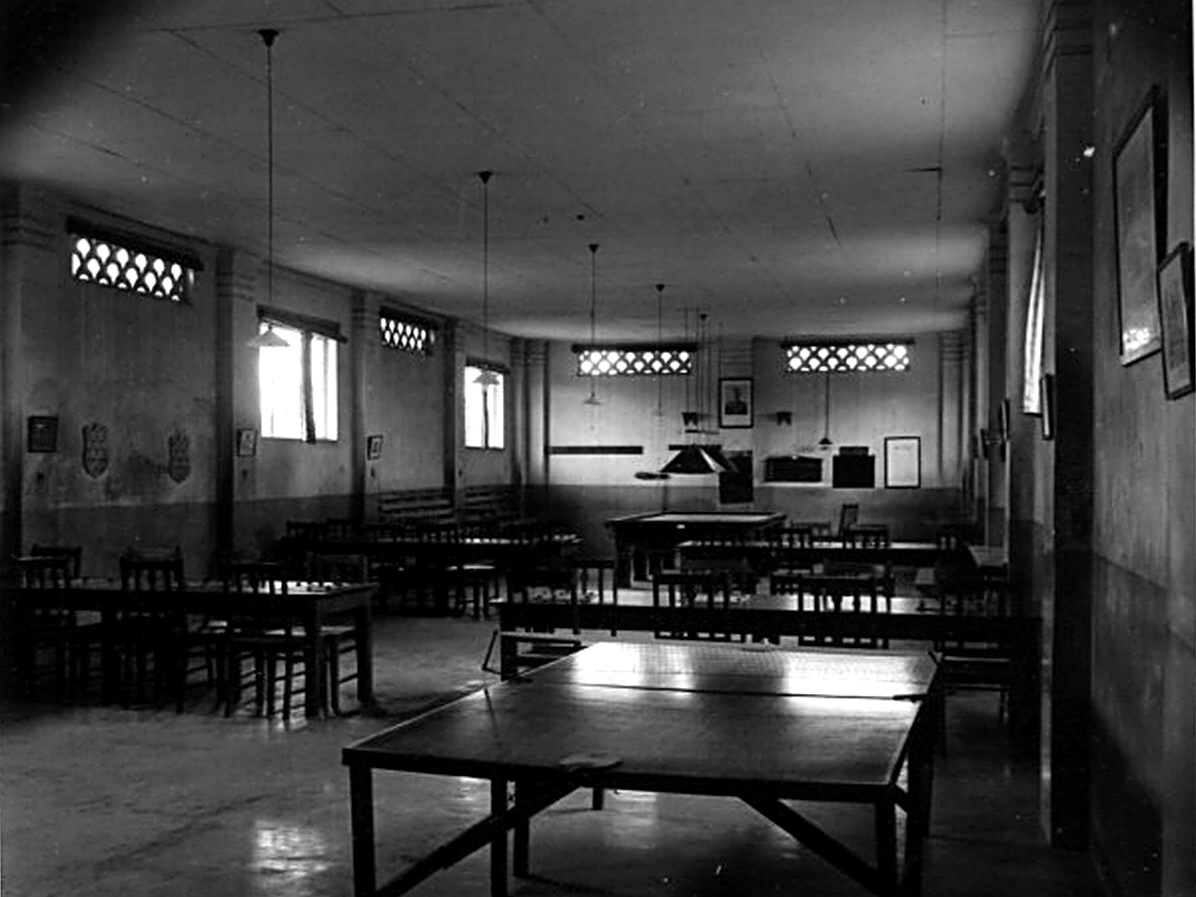
The games roomInside the African Social Hall, Pumwani. Municipal takeover and growth
Municipal takeover began a new phase of public service. Subsequent growth increased capacity from 27 to 75 beds and annual deliveries from 3,000 to 8,000.
Expanded maternity and newborn facilities
President Mzee Jomo Kenyatta opened an expanded unit with 117 beds, an operating theatre and a 50-bed neonatal unit, supported by X-ray, laboratory, library and conference facilities.
Devolution to Nairobi City County
Pumwani came under Nairobi City County through devolution, placing its management within the county health system.
County referral status
County referral maternity and newborn status followed, strengthening Pumwani’s role in serving neighbouring communities and receiving referrals from across Nairobi and beyond. In August, the hospital also hosted the World Breastfeeding Week launch.

Hospital buildings in 2014Our hospital buildings during World Breastfeeding Week, August 2014. 
World Breastfeeding Week gatheringGuests at our World Breastfeeding Week launch in August 2014. 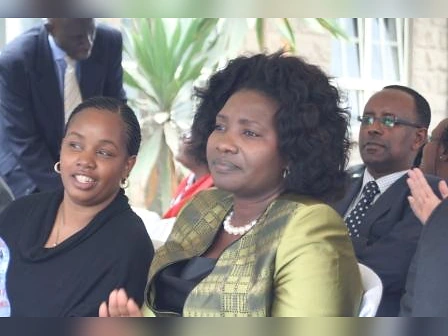
Guests at the launchGuests attending our World Breastfeeding Week launch, 1 August 2014. 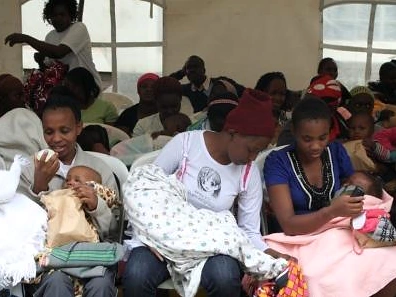
Families at the launchFamilies gathered for World Breastfeeding Week at Pumwani, August 2014. Human milk bank established
We established our human milk bank in 2019 to support vulnerable newborns. Donor screening, hygienic handling, pasteurisation, testing and clinically guided allocation form part of this carefully managed service.
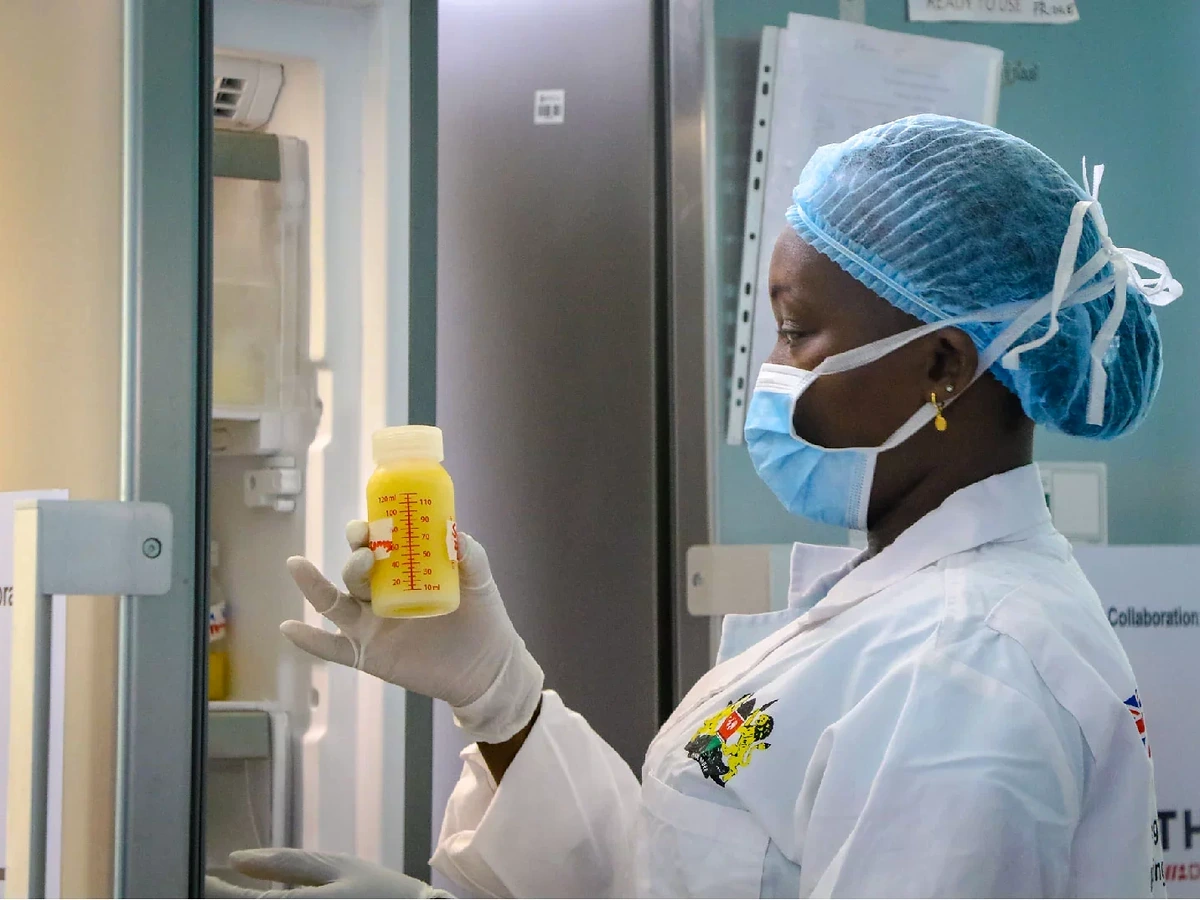
Handling donated milkA member of our milk-bank team handling donated human milk. 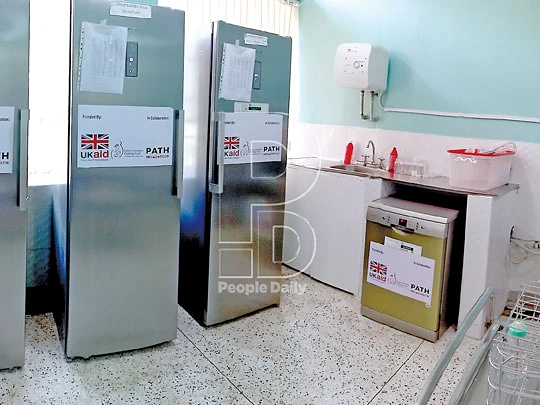
Inside our human milk bankRefrigeration, storage and processing equipment inside our human milk bank. 
Mothers and newbornsMaternal and newborn care at Pumwani. 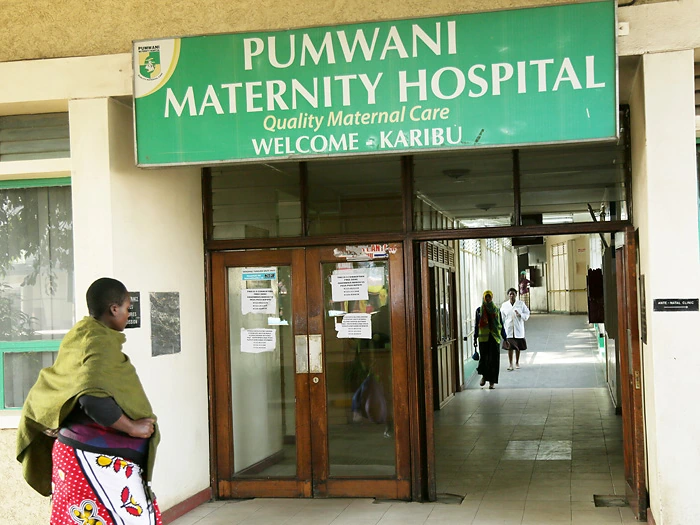
Hospital entrance — historical photographHospital entrance, reproduced in 2019. The original photograph date is not recorded. Practical learning for healthcare workers
Our Maternal and Newborn Health Learning Hub supports practical skills development through simulation, mentoring and hands-on learning. These activities help connect professional development with maternal and newborn care.
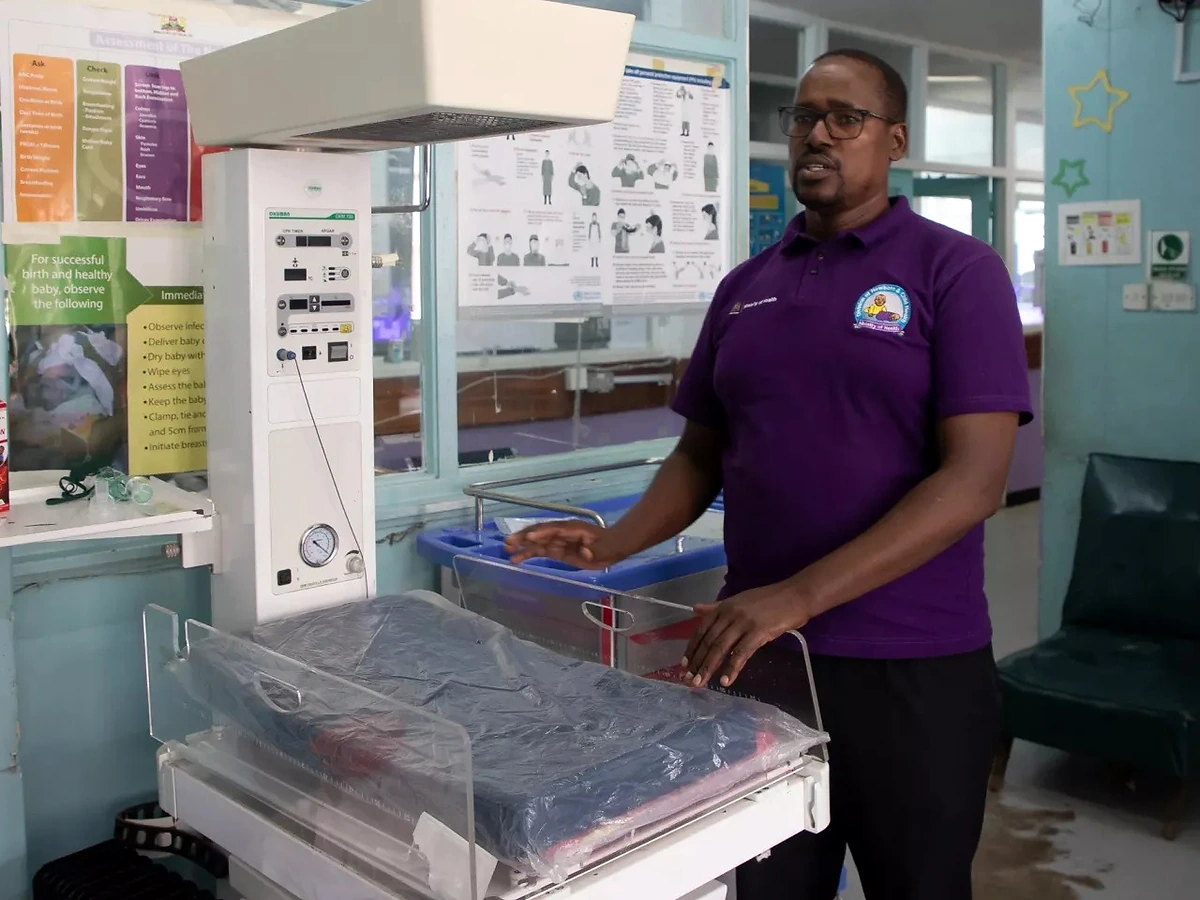
Newborn-care equipmentRonald Achoki beside newborn-care equipment, 2024. 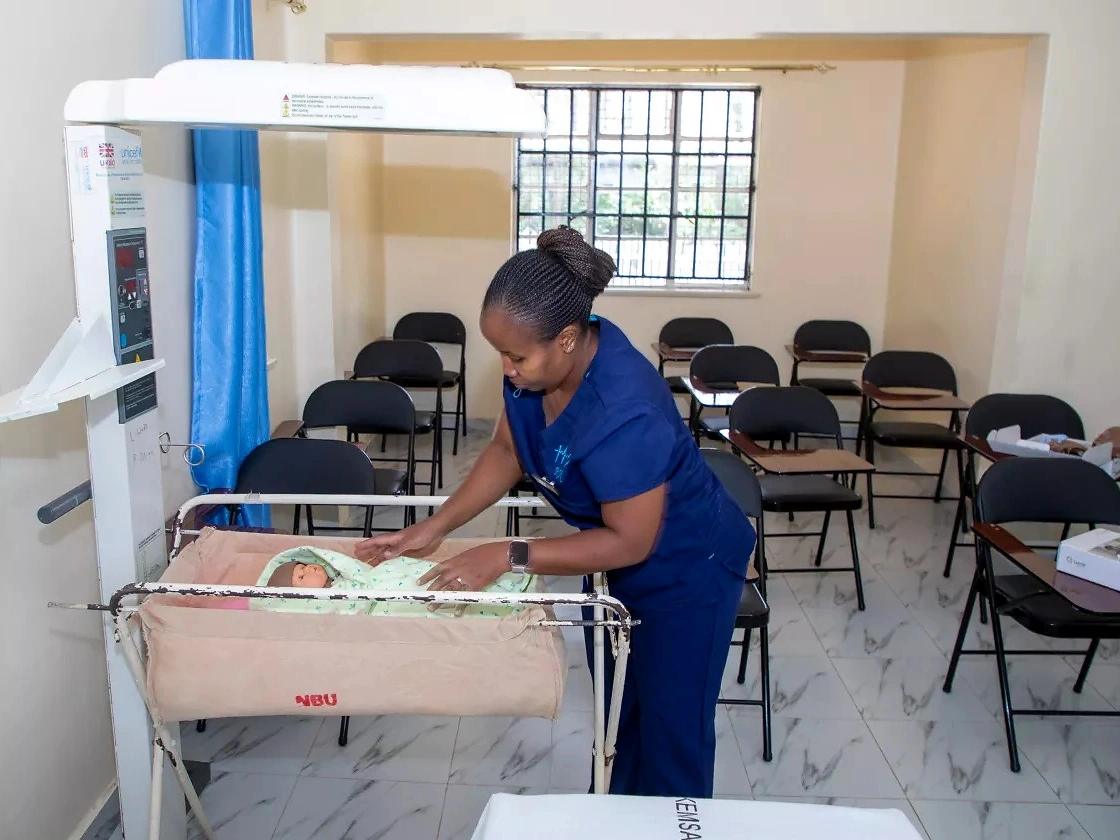
Practical skills demonstrationMaureen Kaloki demonstrates newborn-care skills using a training mannequin. 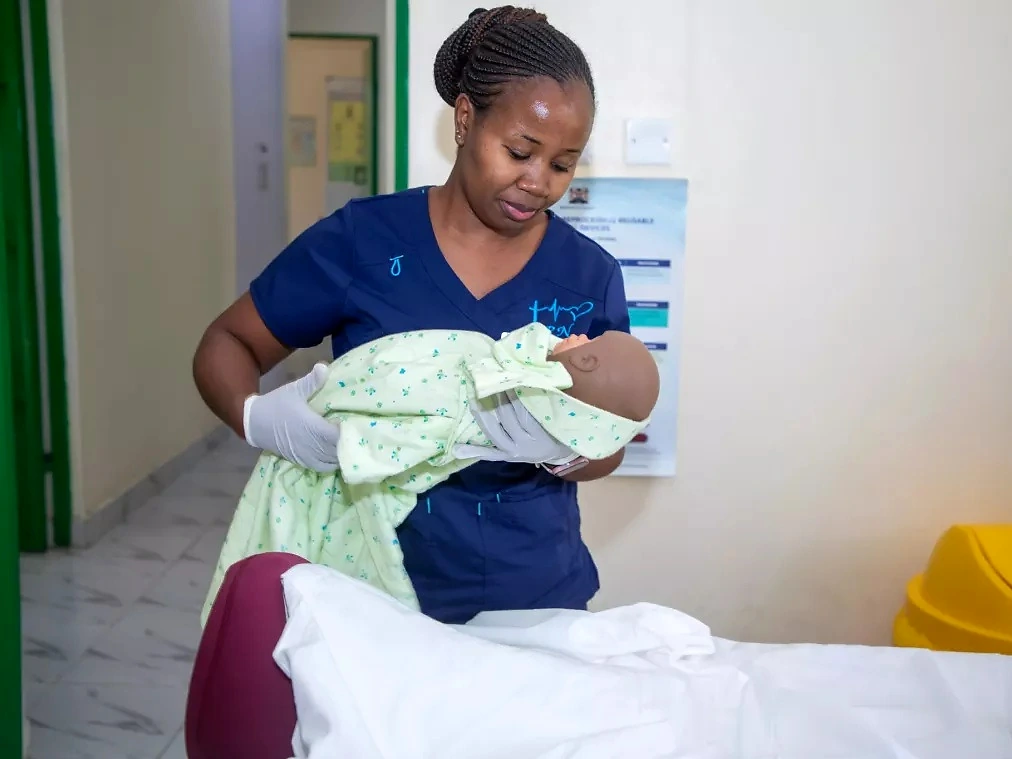
Simulation-based learningA baby model supports practical training; this is a mannequin, not a patient. 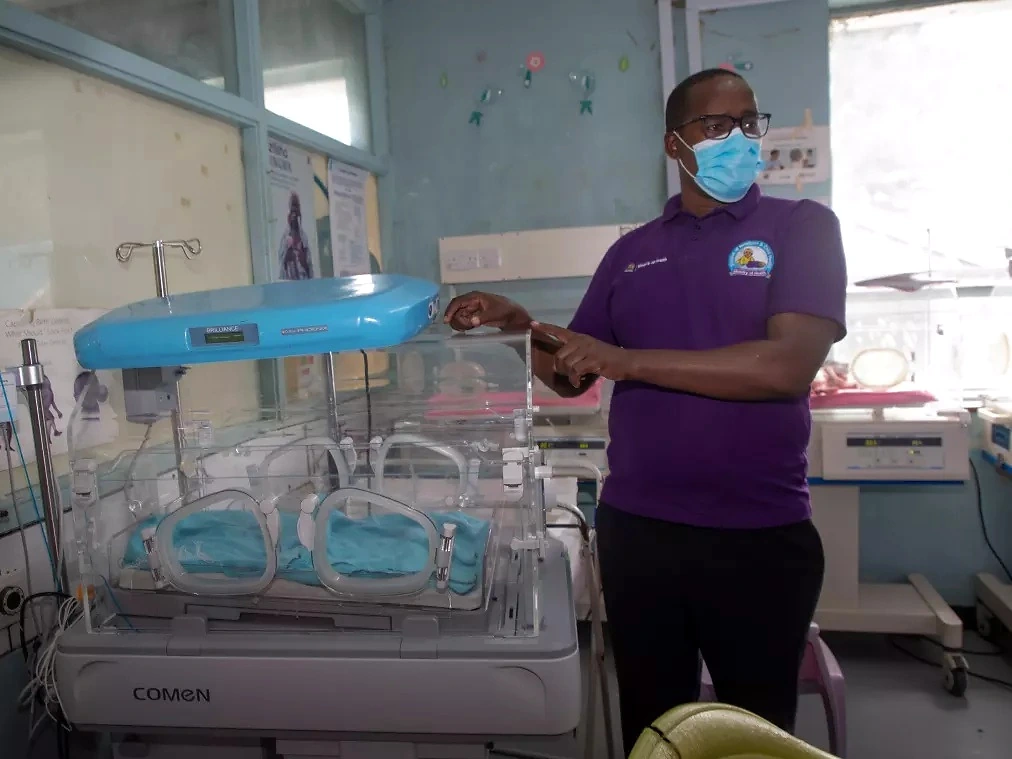
Newborn-unit practiceRonald Achoki in the newborn unit, 2024. A century of service and newborn-care investment
As we mark 100 years since our foundation, investment in our newborn unit includes central heating supported by M-Pesa Foundation. The upgrade strengthens our care environment for small and vulnerable babies. In October, our health workers and Rotary volunteers also marked World Polio Day through childhood vaccination and awareness.

Newborn-care partnersHospital and partner representatives at a newborn-care equipment handover, 2026. 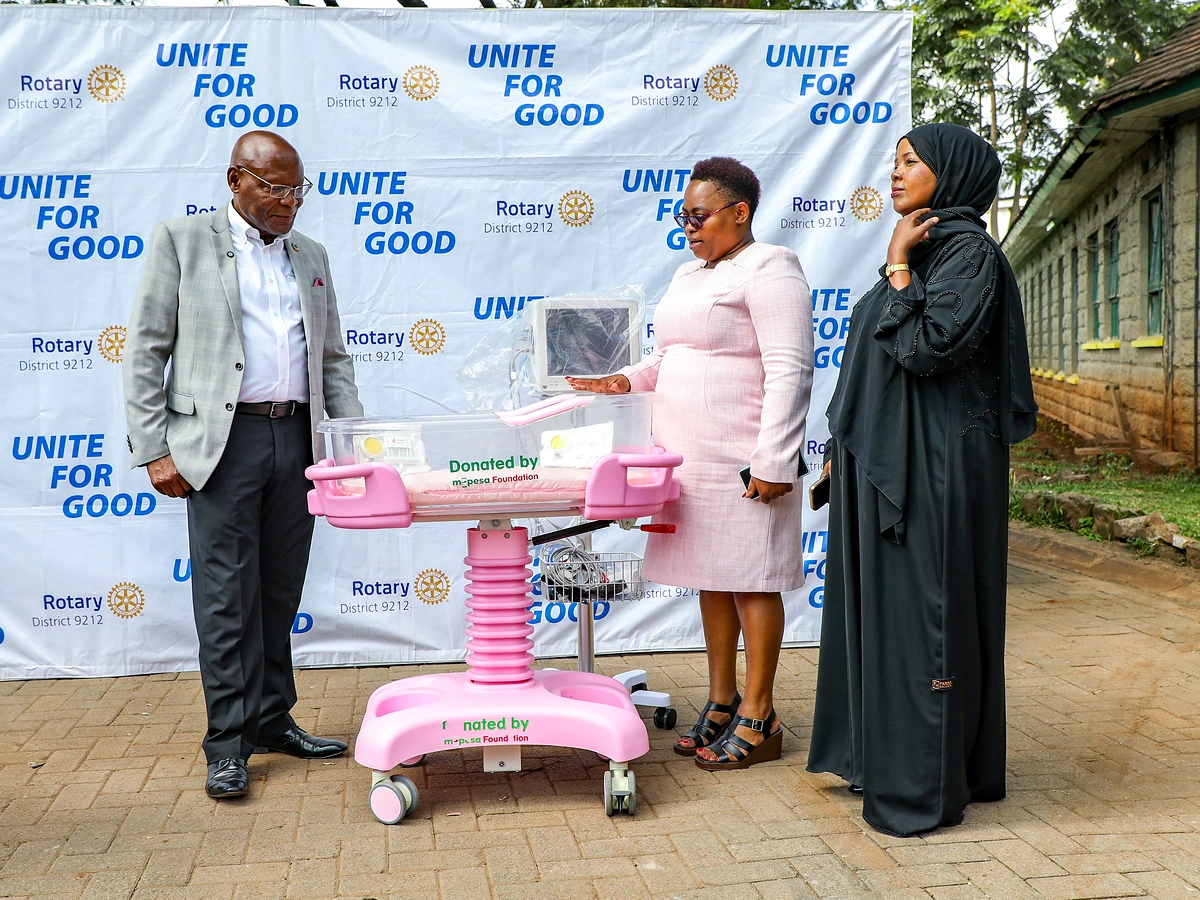
Equipment inspectionRepresentatives inspect donated newborn-care equipment, 2026. 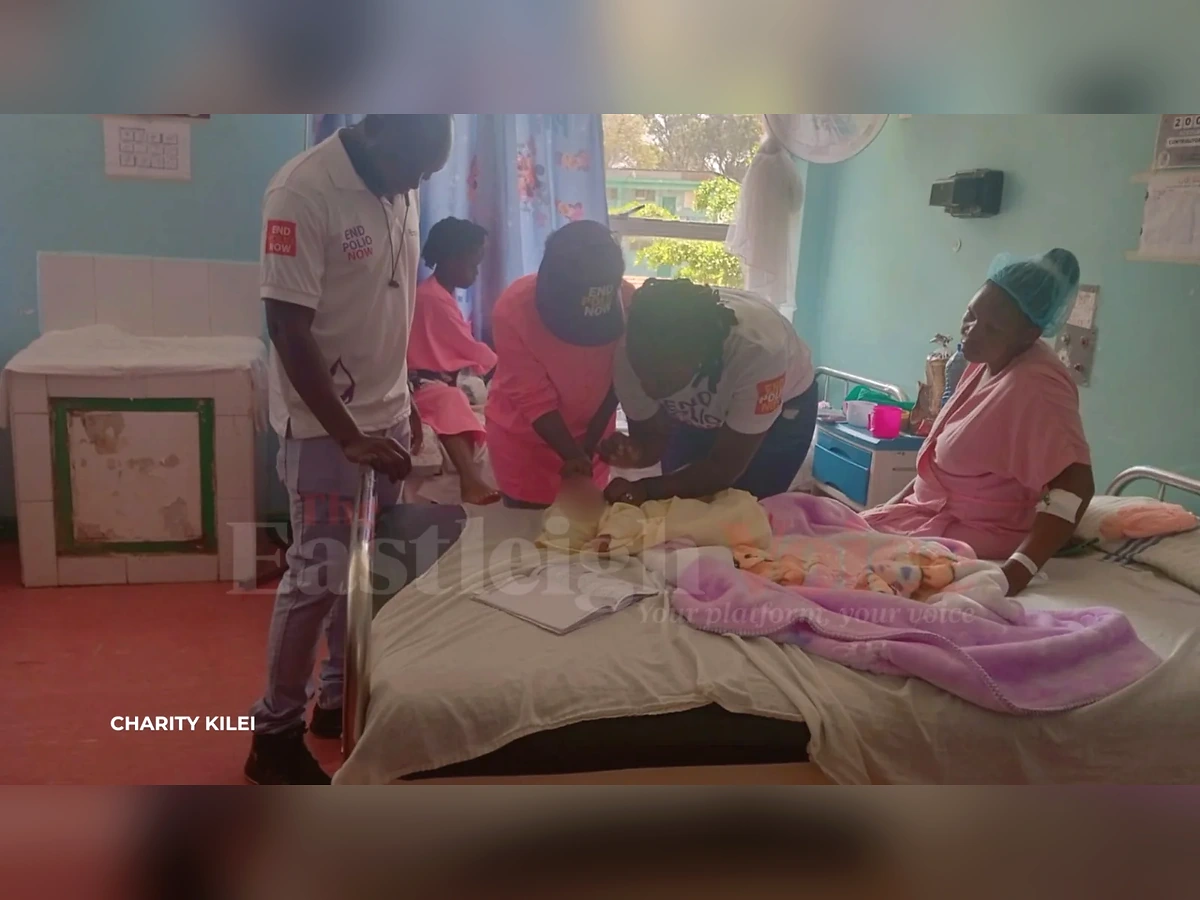
World Polio DayOur team and Rotary volunteers support childhood vaccination on World Polio Day, 24 October 2026. 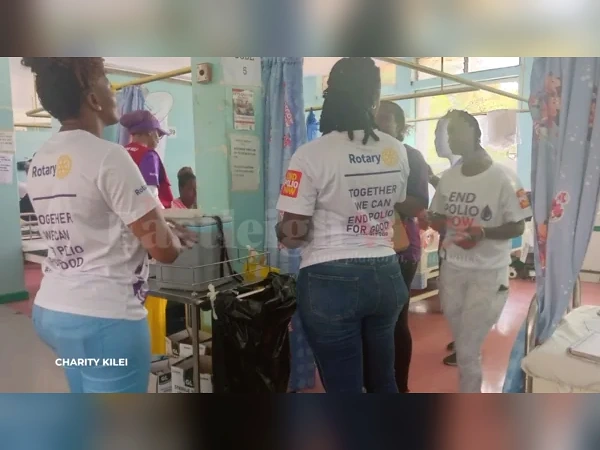
Health workers and volunteersHealth workers and Rotary volunteers at our World Polio Day activity, 24 October 2026.
Photograph credits: The National Archives UK, CO 1069/136 — Open Government Licence v1.0; Maryanne W. Waweru/Mummy Tales; PATH; UNICEF Kenya/2024/Lucas Odhiambo; KNA/GAA; Charity Kilei/The Eastleigh Voice; APHRC; John Ochieng/People Daily.
How the hospital is led
Pumwani Maternity & Referral Hospital operates under the jurisdiction of Nairobi City County. View the hospital organizational structure →
Chief Executive Officer
The hospital is led by its Chief Executive Officer, who chairs the hospital management team and is accountable to the Health Management Board and to Nairobi City County — assisted by the Matron for nursing and midwifery and the Hospital Health Administrator for administration and finance.
The Matron
Leads nursing and midwifery practice across all wards, theatres and the newborn unit, safeguarding quality, staffing and respectful maternity care.
Hospital Health Administrator
Heads administration, finance, records and support services, keeping the hospital’s operations efficient and accountable to Nairobi City County.
Board of Management
- Provides oversight of management, performance and stewardship of public resources
- Guides service quality, accountability and patient safety
- Conducts its business through the Office of the Chief Executive Officer
Management structure
- The Chief Executive Officer chairs the hospital management team
- Directorates and departmental heads run the clinical, nursing, administrative and support services
- The full chart of directorates, departments and reporting lines is on the organizational structure page
Working with partners and institutions of higher learning
The hospital works with development partners to strengthen reproductive and newborn care, and provides a placement environment with affiliated institutions.
Development partners
Affiliated institutions
- University of Nairobi · Jomo Kenyatta University of Agriculture and Technology
- Kenyatta University · Aga Khan University · Daystar University
- Presbyterian University of East Africa · Amref University
- Kenya Defence Forces College of Health Sciences · Nairobi Women’s Hospital College
Partner enquiries are welcome through the Office of the CEO — see contact us.
Our commitments to you
Quality is measured, audited and reported — never assumed.
Infection prevention
Hand hygiene, sterile technique and clean-environment protocols enforced across labour wards, theatres and the newborn unit.
Clinical audits & patient safety
Maternal and newborn outcomes are reviewed continuously, with emergency drills and evidence-based protocols.
Respectful maternity care
Every woman has the right to dignity, information, consent and a companion in labour — free from mistreatment.